SDG 2 : Zero Hunger
SDG 2: "Zero Hunger" seeks to eliminate hunger by assuring access to healthy food, enhancing food security, and developing sustainable agriculture and aquaculture, including sustainability matter.
University Malaysia Sarawak (UNIMAS) takes steps to reduce food waste, supports students facing food insecurity, and provides a variety of healthy and affordable food options within campus. The university also educates and graduates students in fields related to agriculture and aquaculture, emphasizing sustainability. Outside the campus, UNIMAS shares knowledge with local farmers, hosts events to exchange ideas, and allows local producers access to its facilities to promote sustainable farming practices. Moreover, UNIMAS prioritizes buying food products from local and sustainable sources, contributing to the fight against hunger while supporting eco-friendly food systems.
Campus Food Waste
Student Hunger
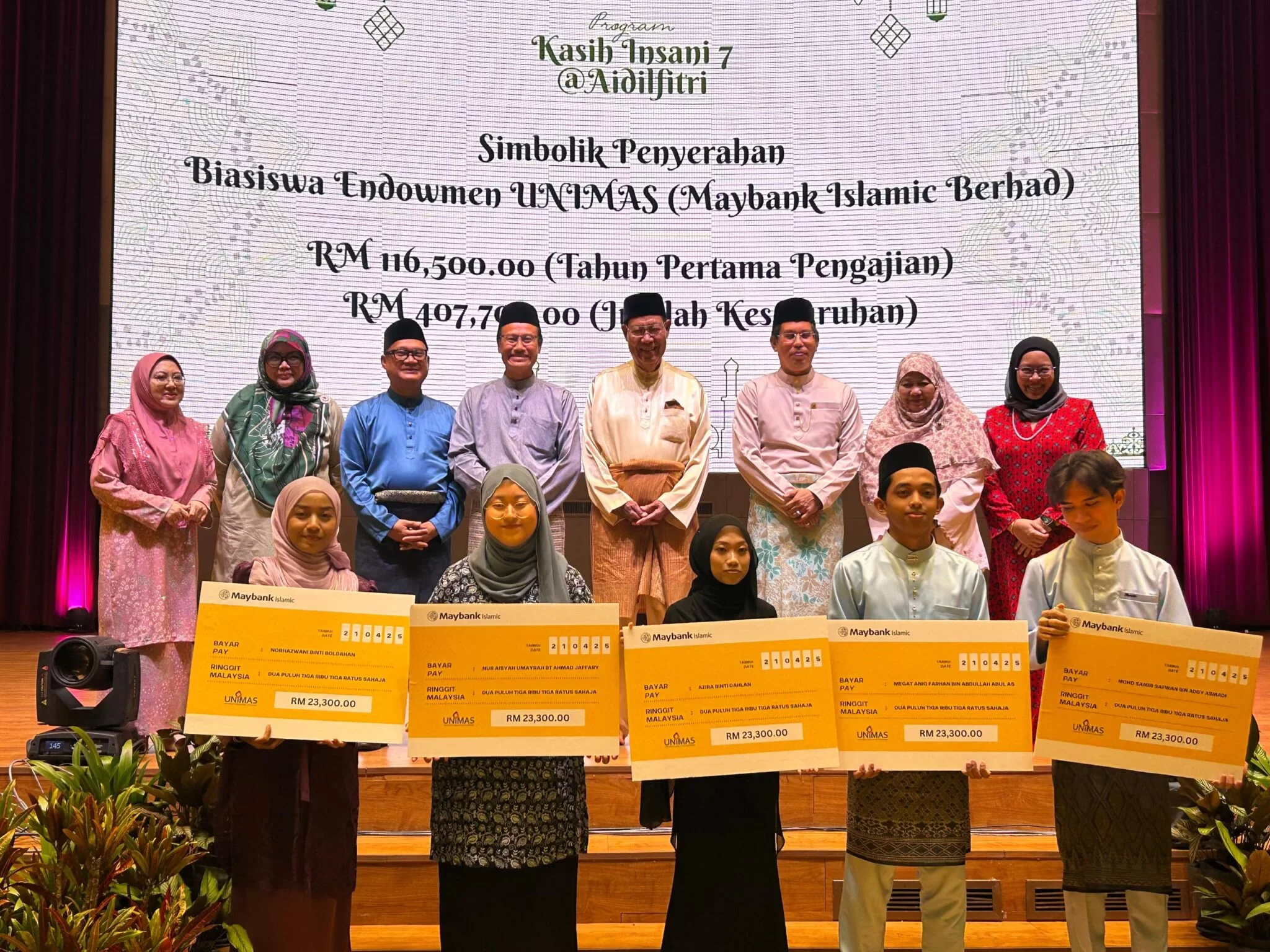
Over 1,400 underprivileged Unimas students receive aid
On 21 April 2025, Universiti Malaysia Sarawak (UNIMAS), through the 7th edition of the Kasih Insani programme, provided financial assistance totaling RM1,150,995 and 1,500 ready-to-eat meals (MRE) to 1,423 underprivileged students. Organised by UNIMAS’s Endowment & Waqf division, the initiative supports students facing financial challenges in pursuing their studies. The event also announced the UNIMAS Endowment Scholarship, sponsored by Maybank Islamic Berhad, awarding five students RM407,700 to cover tuition fees, monthly allowances, and laptops. Kasih Insani highlights the university and corporate partners’ commitment to student welfare, enabling equal access to education and improving academic opportunities for B40 students.
Article Link
Article Link
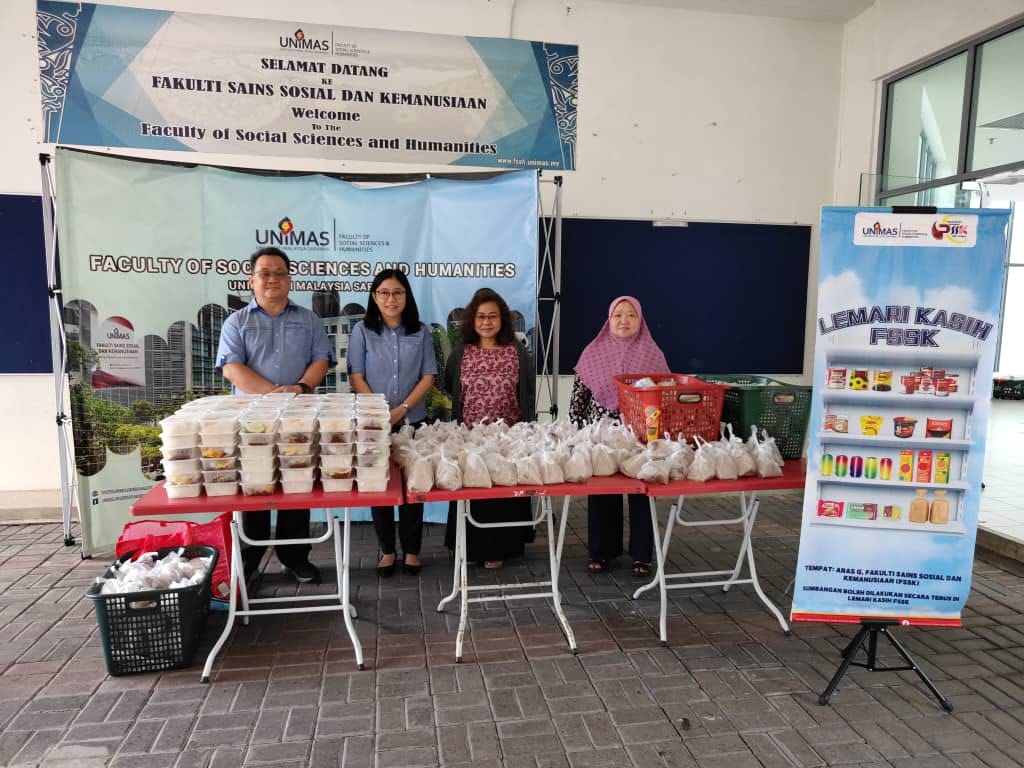
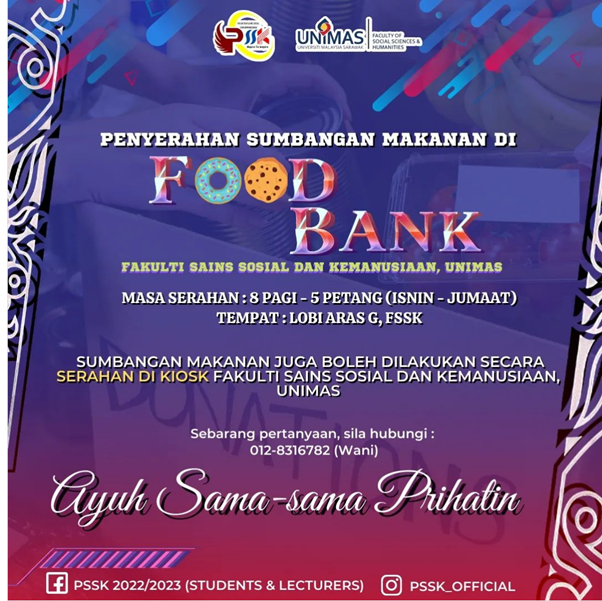
Food Donation Initiative – Nasi Lemak Bakti Siswa by Lemari Kasih FSSK
The Faculty of Social Sciences and Humanities (FSSK), in collaboration with the Social Science and Humanities Student Association (PSSK), organised the Nasi Lemak Bakti Siswa food donation programme under the “Lemari Kasih FSSK” initiative. The programme provided free meals to students as part of the faculty’s efforts to support student welfare and promote a caring, inclusive campus community.
Facebook Link
The Faculty of Social Sciences and Humanities (FSSK), in collaboration with the Social Science and Humanities Student Association (PSSK), organised the Nasi Lemak Bakti Siswa food donation programme under the “Lemari Kasih FSSK” initiative. The programme provided free meals to students as part of the faculty’s efforts to support student welfare and promote a caring, inclusive campus community.
Facebook Link
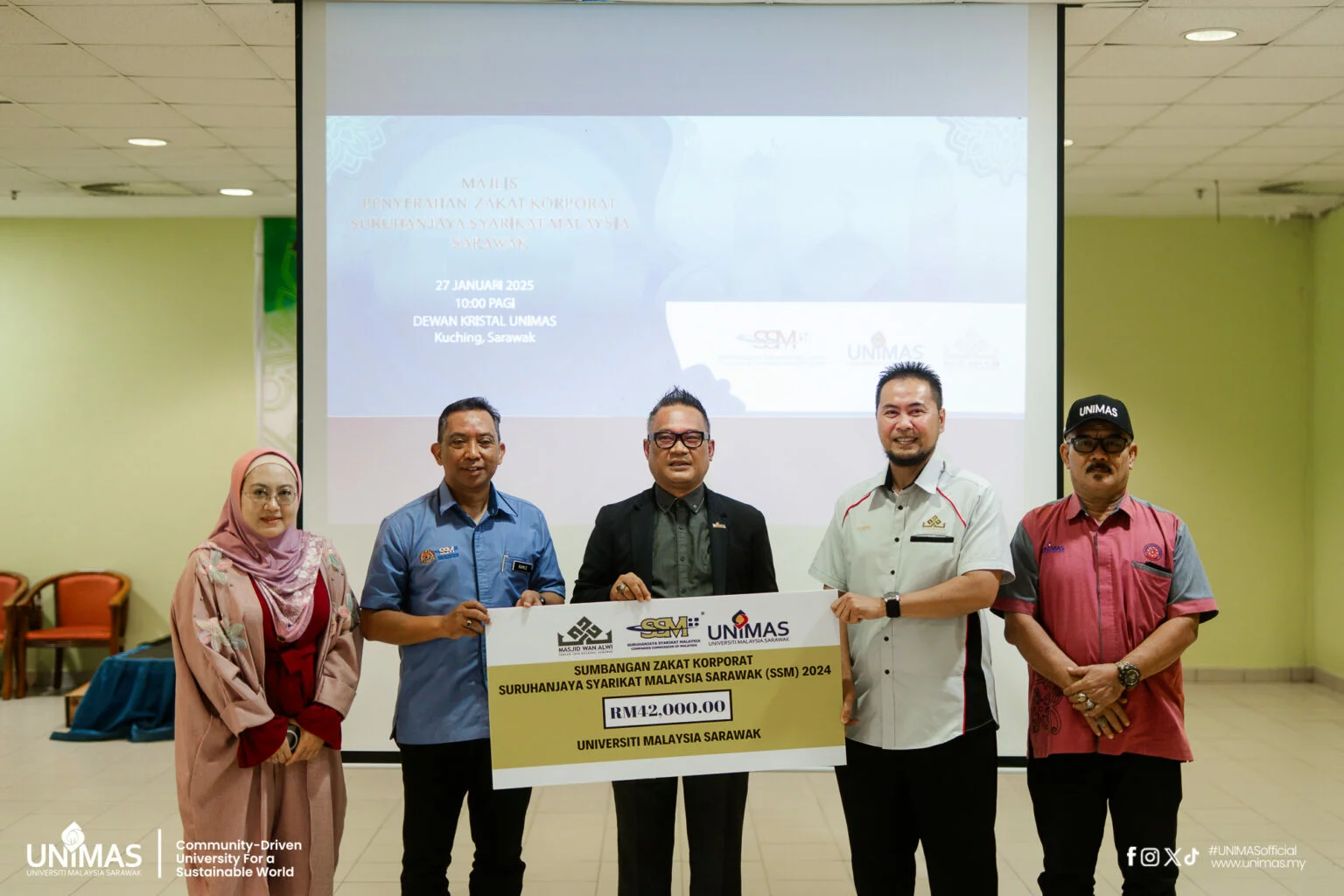
National Hunger
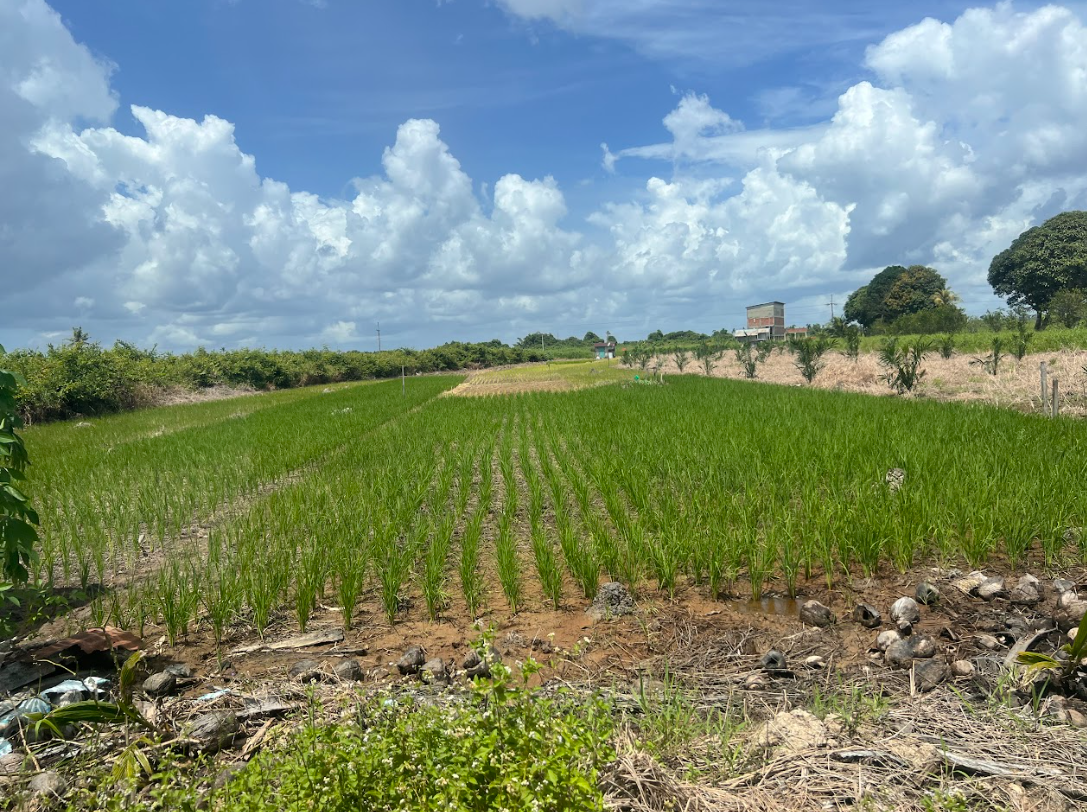
From Paddy Fields to the Laboratory: Integrating Biotechnology, Salinity and Sarawak’s Rice Heritage
Universiti Malaysia Sarawak (UNIMAS), through the Faculty of Resource Science and Technology, conducted a Final Year Project on salinity and traditional Sarawak rice in Lingga, Sri Aman. The research integrated biotechnology, field sampling, and community engagement to study rice responses to salinity stress, preserving both agricultural knowledge and cultural heritage. Students collaborated closely with local farmers, learning real-world farming challenges while developing sustainable, climate-resilient strategies. The project highlights UNIMAS’s role as a knowledge hub, supporting food security, heritage preservation, and agricultural innovation. It also fosters global learning through participation of international students in locally grounded research initiatives.
Article Link
Article Link
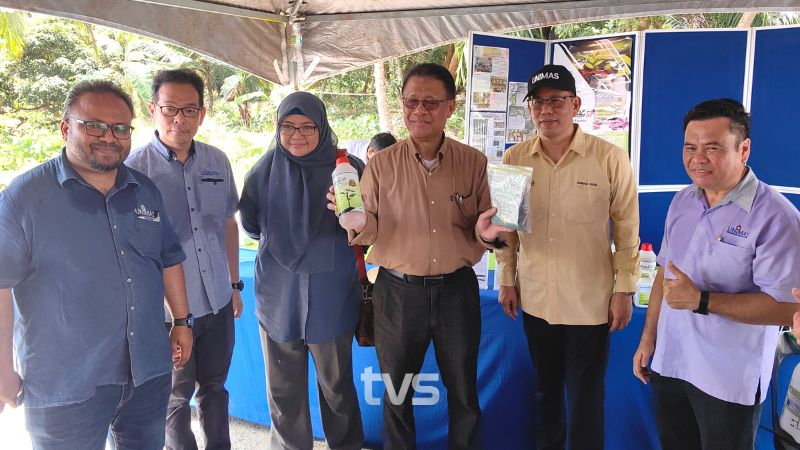
UNIMAS Drives Agricultural Transformation by Engaging Local Communities
Universiti Malaysia Sarawak (UNIMAS) aims to transform both individuals and local communities through agricultural initiatives in collaboration with Sarawak government agencies. The pilot project at Sebuyau involves the development of a Coconut Research Laboratory, where three faculties work together to promote coconut cultivation using locally developed Bio-Organic Fertilizer. The initiative also explores waste reuse, marketing support, and plans to expand involvement to more faculties to enhance community transformation.
Article Link
Poster for Ceramah Asas Berkebun Bandar
UNIMAS Enhances Global Agrotechnology Collaboration at FANRes 2024
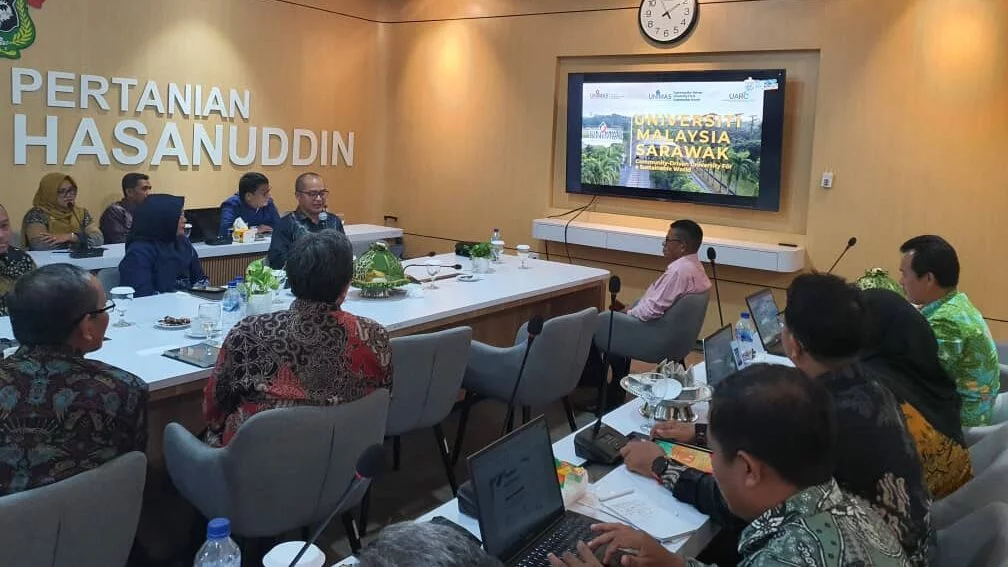
Dr. Walftor Dumin from UNIMAS’s Agrotechnology Programme represented the university at the Executive Meeting of the 9th International Conference on Food, Agriculture, and Natural Resources (FANRes 2024) in Makassar, Indonesia. The meeting highlighted UNIMAS’s expertise in sustainable agriculture, fostered discussions on joint research initiatives, and explored potential collaborations with Hasanuddin University and other global partners. Topics included crop management, digital farming, integrated pest management, plant breeding, and climate-resilient practices. The conference strengthened UNIMAS’s global presence and showcased its commitment to advancing agricultural innovation and sustainability
Article Link
Dr. Walftor Dumin from UNIMAS’s Agrotechnology Programme represented the university at the Executive Meeting of the 9th International Conference on Food, Agriculture, and Natural Resources (FANRes 2024) in Makassar, Indonesia. The meeting highlighted UNIMAS’s expertise in sustainable agriculture, fostered discussions on joint research initiatives, and explored potential collaborations with Hasanuddin University and other global partners. Topics included crop management, digital farming, integrated pest management, plant breeding, and climate-resilient practices. The conference strengthened UNIMAS’s global presence and showcased its commitment to advancing agricultural innovation and sustainability
Article Link