Image

SDG 14 : Life Below Water

 SDG 14 “Life Below Water” aims to preserve and sustainably the use of marine resources for both the present and future generations. It is deal with the issues such as marine pollution, overfishing, and habitat destruction.
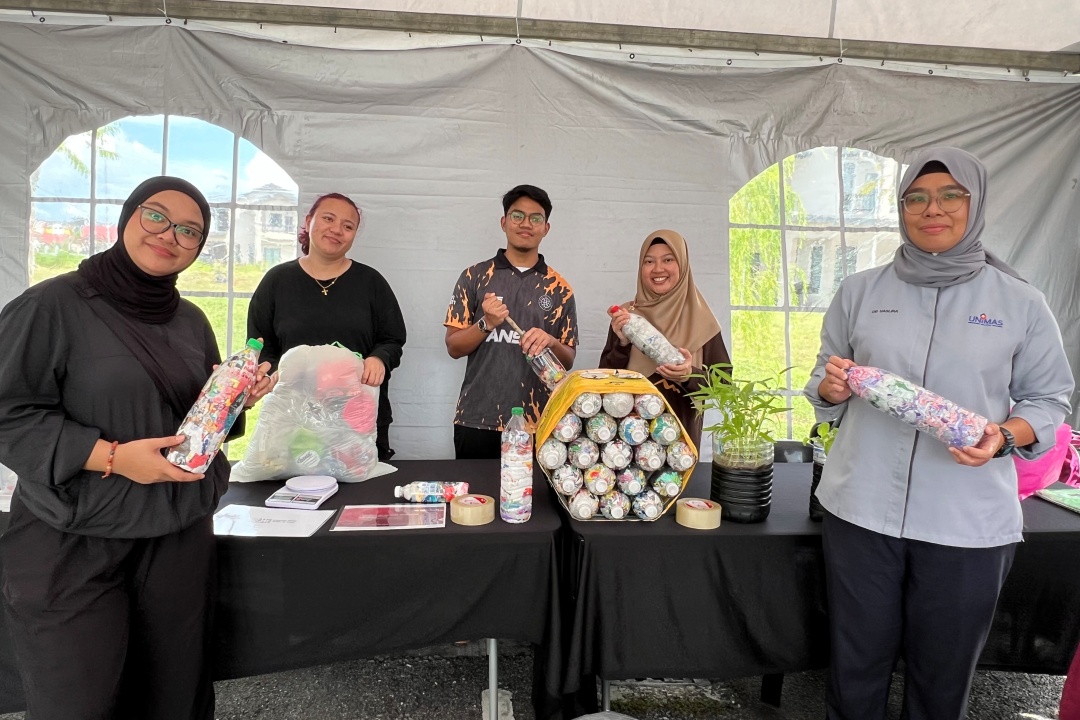
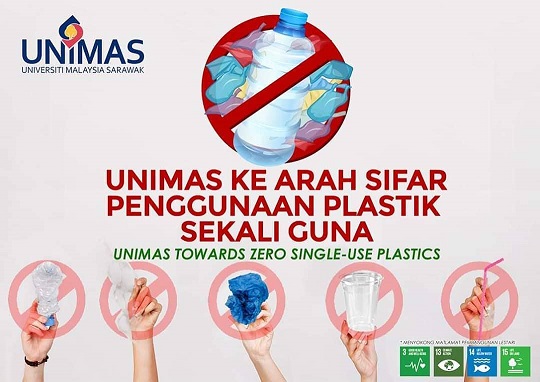
UNIMAS  actively supports aquatic ecosystems through education by promoting awareness and knowledge about the importance of these ecosystems within campus and outside campus. UNIMAS goes beyond awareness and takes strong actions to support aquatic ecosystems, engaging in conservation efforts and research to protect marine life and biodiversity. UNIMAS also adopts water-sensitive waste disposal practices to prevent pollution and harm to aquatic environments, reflecting its dedication to responsible environmental stewardship. UNIMAS helping in maintaining local ecosystems, contributing to the preservation of regional biodiversity. 

Supporting aquatic ecosystems through education

Community Outreach on Fresh-water ecosystems, Sustainable Fisheries and Overfishing

UNIMAS Water Centre Supports World Rivers Day at Kampung Stabut, Serian
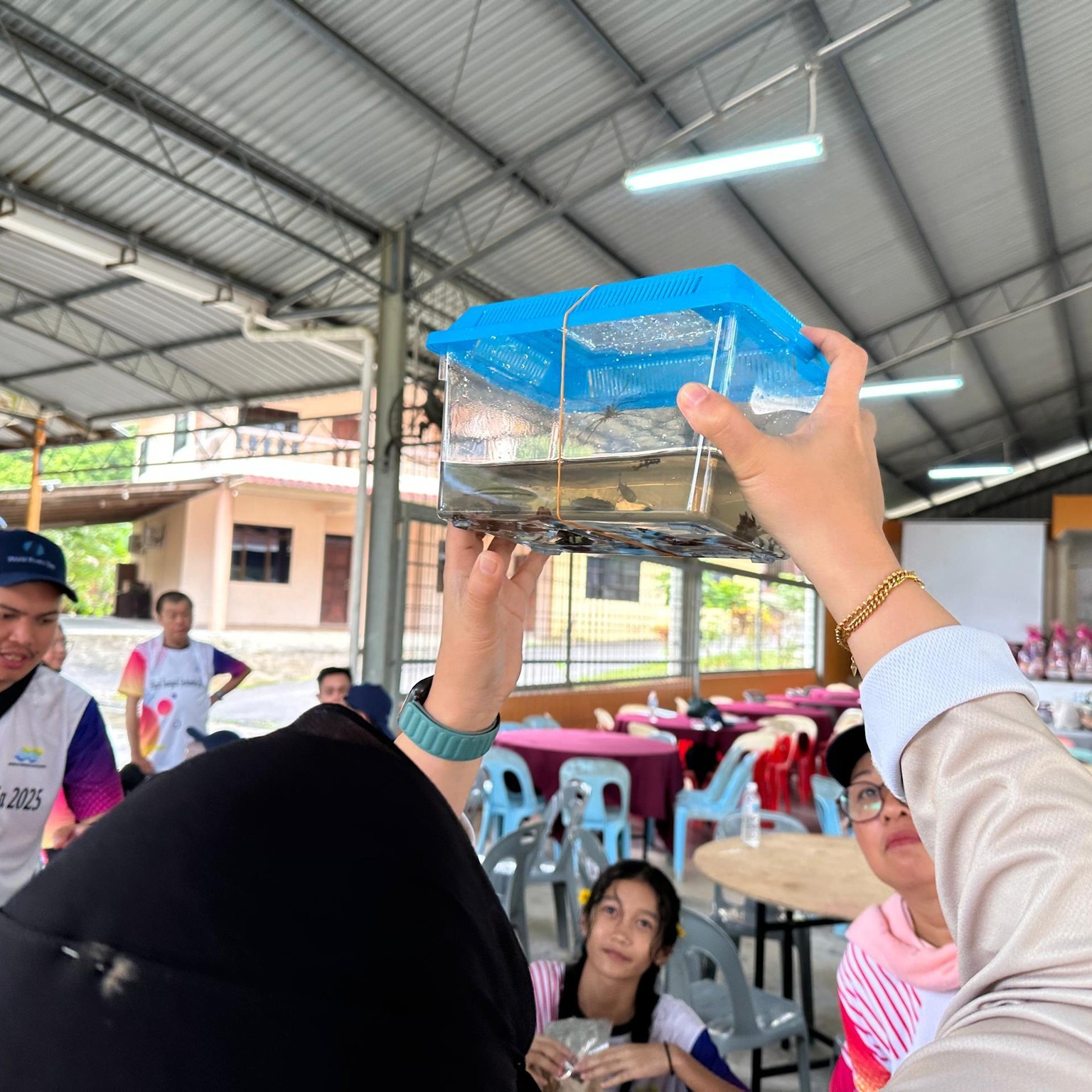
UNIMAS Water Centre (UWC) participated in the World Rivers Day celebration on Saturday, 4 October 2025, organised by the Sarawak Department of Irrigation and Drainage at Kampung Stabut, Serian. The event was carried out in collaboration with lecturers from the Faculty of Resource Science and Technology, Dr Fazimah Aziz and Dr Madinah Adrus. During the outreach programme, UWC facilitated a River Ranger activity involving school students and local community members. The initiative aimed to raise awareness on river conservation while empowering youth and villagers to take an active role as guardians of their local waterways.

Facebook Link

Image
Community Outreach on Sustainable Grouper Farming and Marine Resource Conservation

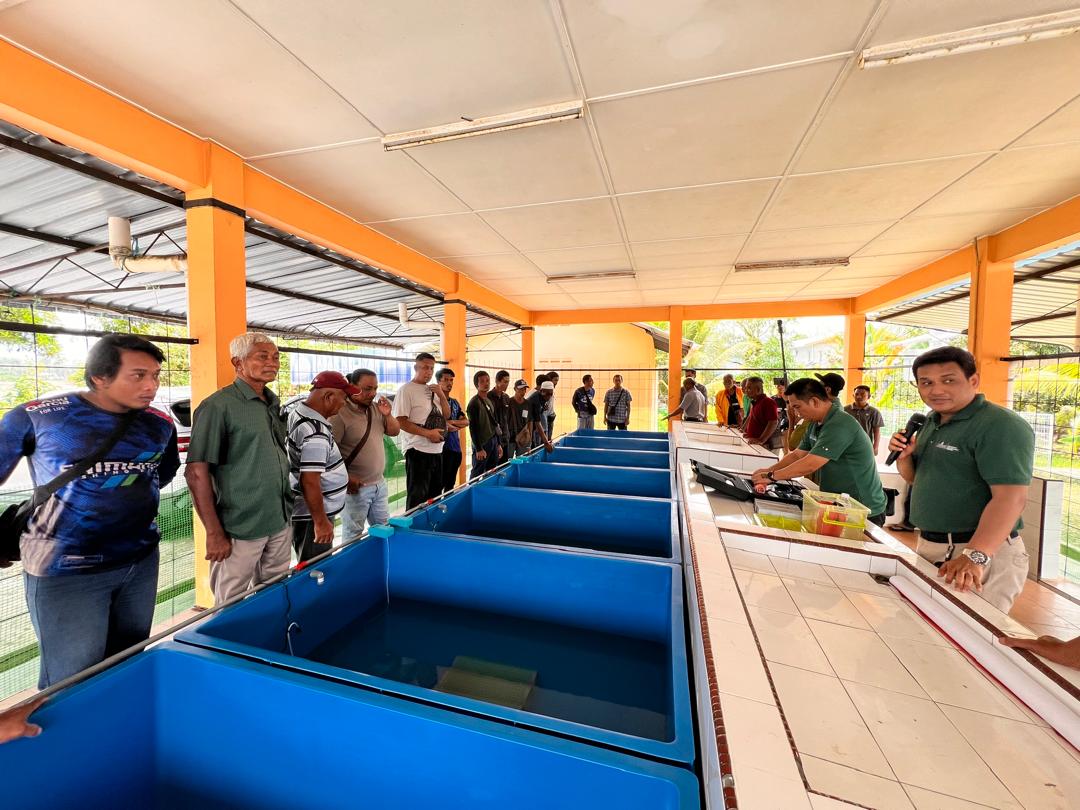
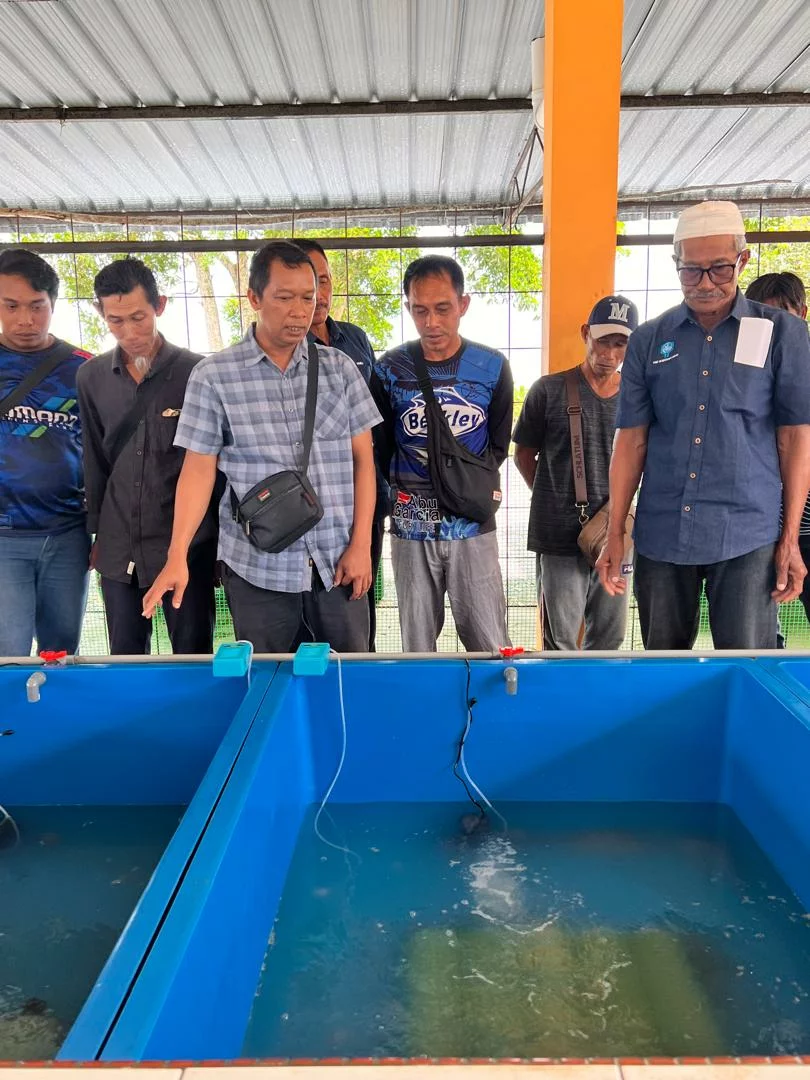
On 18 November 2024, UNIMAS organized a Knowledge Sharing and Technology Transfer Workshop on Sustainable Grouper Seed Farming in Kampung Tanah Hitam, Sematan, Sarawak, as part of the Komuniti@UniMADANI initiative. The workshop engaged local fishermen and LKIM Sarawak representatives to promote sustainable aquaculture practices and smart water quality management. Participants learned about grouper biology, nutrition, and hands-on techniques using real-time monitoring systems for water parameters. The program aimed to enhance technical skills, support sustainable income growth, and reduce reliance on declining marine resources, empowering communities while promoting sustainable fisheries and responsible aquaculture.

Article Link
Image

Supporting aquatic ecosystems through action

Conservation and sustainable utilisation of the oceans (events)

Advancing the Blue Economy: UNIMAS’ Commitment to Marine Sustainability
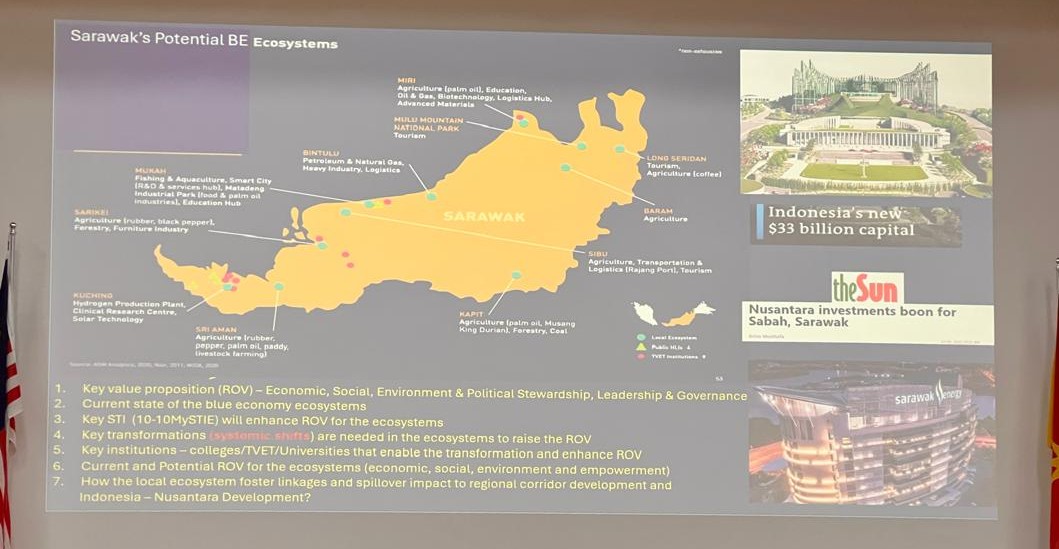
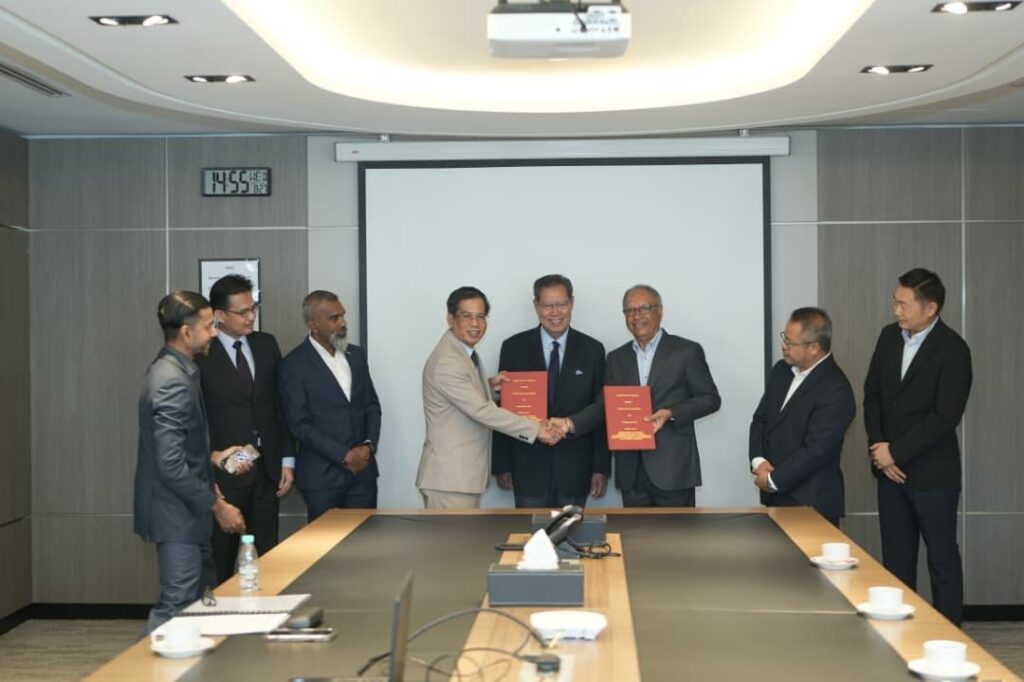
UNIMAS is strengthening its commitment to Malaysia’s Blue Economy through research and engagement in marine sustainability, including fisheries, sustainable aquaculture, marine biotechnology, renewable energy, coastal management, and climate resilience. The university was invited to the Stakeholder Engagement Session for the Malaysia Blue Economy Blueprint (MBEB), organised by the Academy of Sciences Malaysia (ASM) at TROPI, Kota Samarahan. Represented by experts from IBEC, FRST, and the University Sustainability Centre, UNIMAS contributed insights on marine biodiversity, sustainable fisheries, ocean governance, and community-driven conservation. Through ecosystem monitoring, habitat restoration, and collaboration with coastal communities and policymakers, UNIMAS continues to support national strategies and policies toward a sustainable and resilient Blue Economy in Sarawak.


Image

UNIMAS actively supports and organizes events aimed at promoting the conservation and sustainable utilization of oceans, seas, lakes, rivers, and marine resources. Through these initiatives, we raise awareness and foster a sense of responsibility among our students and the community toward preserving these vital ecosystems.

Sustainable Grouper Farming: Bridging Academia and Communities in Blue Economy
Image

Water sensitive waste disposal

Water discharge guidelines and standards

 Maintaining a local ecosystem

Minimizing alteration of aquatic ecosystems (plan)